Epigenetic Clocks: What They Really Tell Us About Biological Aging
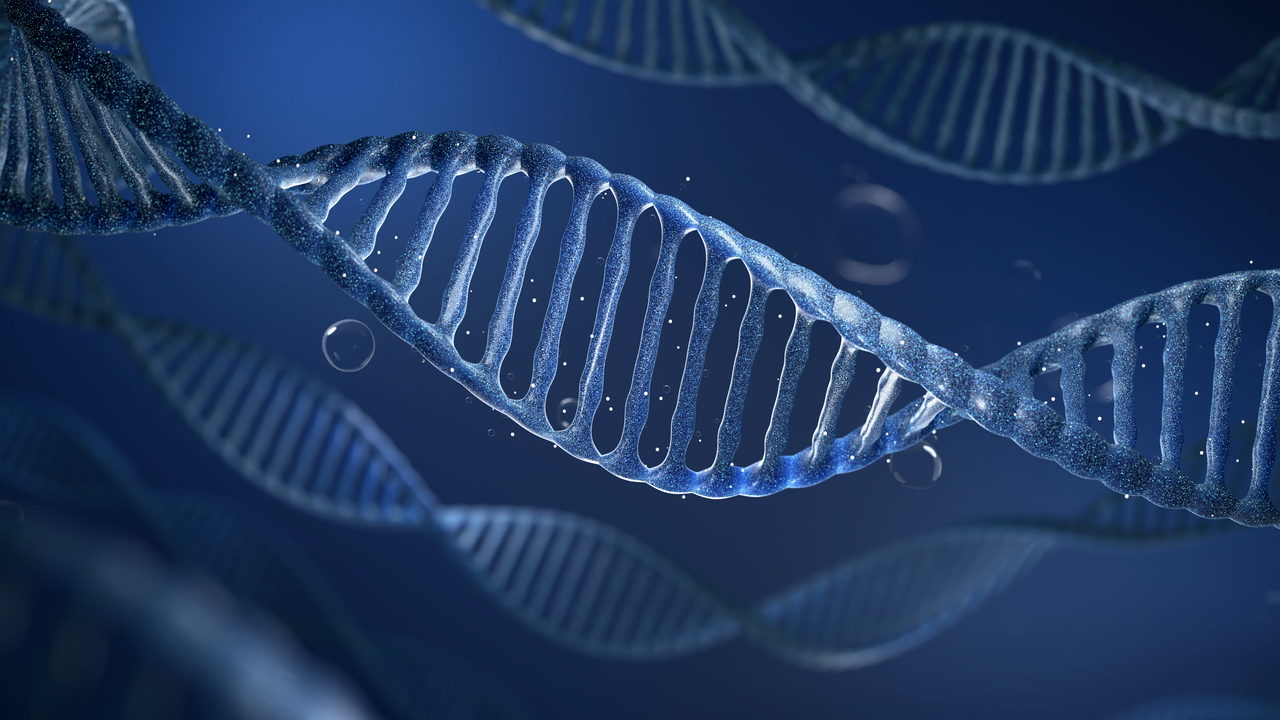
Your chronological age is easy to calculate. But the number of candles on a birthday cake cannot reveal how quickly your body is changing beneath the surface.
Two people may both be 50 years old yet show different patterns of biological change and differ considerably in the pace at which age-related changes are occurring. Epigenetic clocks are among the scientific tools developed to explore these differences.
By analyzing patterns of DNA methylation, these models can estimate distinct aspects of aging.
The Hidden Layer Above Our DNA
We often think of DNA as a fixed biological blueprint. Yet having a gene does not necessarily mean it will be active.
Almost every cell in the body contains essentially the same DNA. A skin cell, however, behaves very differently from a brain or pancreatic cell because each cell type uses a different selection of genes.
Epigenetics helps explain how this happens. It refers to biological mechanisms that influence gene activity without changing the underlying DNA sequence. Rather than rewriting our genetic code, epigenetic processes help determine how that code is read.
One of the most extensively studied mechanisms is DNA methylation. It occurs when small chemical tags called methyl groups are added to DNA, most commonly at locations known as CpG sites.
Depending on where it occurs, methylation can influence how accessible a gene is to the cellular machinery responsible for reading it. At certain gene-regulatory regions, increased methylation is often associated with reduced gene activity.
The complete pattern of DNA methylation across the genome is known as the methylome. Although many methylation patterns are relatively stable, the methylome is not fixed. It continues to change throughout life, influenced by development, aging, and exposure to different environmental and physiological conditions.
From DNA Changes to Epigenetic Clocks
As we age, small changes occur in chemical tags on our DNA, known as DNA methylation. Some follow predictable patterns, while others become more varied over time. Scientists use these patterns to create epigenetic clocks, mathematical tools that study changes associated with ageing. One of the first widely used clocks was developed by Steve Horvath in 2013 using 353 DNA sites (Horvath, 2013).
Biological Age Is Not One Number
Imagine two people turning 50. They are the same chronological age, but their bodies may show different patterns of health and ageing.
There is currently no single number that can fully describe biological age. Different scientific tools measure different aspects of ageing, which means there is no single, universal epigenetic age.
Where Lifestyle Meets Biology
Our epigenome is shaped by more than our genes. It interacts with what scientists call the exposome: the complete collection of environmental, behavioral, and social influences encountered throughout life. These influences can include nutrition, physical activity, sleep, stress, smoking, pollution, and socioeconomic conditions. Research has associated several of these factors with differences in DNA methylation and epigenetic clock acceleration (Oblak et al., 2021).
This does not mean that every exposure directly causes a specific epigenetic change. Observational associations cannot, by themselves, establish cause and effect. They do, however, reveal something important: aging emerges through a continuous interaction between genetic predisposition, lived experience, and the biological systems that respond to both. The epigenome can therefore be understood as a dynamic molecular record, one that continues to respond to environmental exposures and physiological conditions over time.
Can Lifestyle Influence Epigenetic Age?
The dynamic nature of the methylome has led to an intriguing question: can changes in lifestyle influence the way biological aging is measured? Research has linked dietary patterns, physical activity, and other lifestyle factors to differences in DNA methylation. Some intervention studies have also reported changes in DNA methylation-based biomarkers following sustained diet and physical activity programs (Fiorito et al., 2021).
The most credible interpretation is not that one habit, food, or ingredient can reverse biological age. It is that the conditions created by our long-term behaviors may influence the biological pathways involved in health and aging.
Rather than pursuing a single number, the more meaningful objective is to support the body’s resilience through consistent foundations: balanced nutrition, targeted supplementation, regular physical activity, restorative sleep, effective stress management and appropriate medical care.
Aging Is a Process, Not Just a Number
Epigenetics offers a more dynamic way of understanding aging.
Our genes establish a biological framework, but they do not act alone. Throughout life, our environment, behaviors, and physiological experiences interact with that framework, leaving molecular traces that scientists are increasingly able to measure.
Epigenetic clocks offer a compelling window into this process. Their greatest value may not lie in assigning one definitive biological age, but in helping researchers explore different dimensions of aging and understand how the body changes over time.
Science is still developing, and its complexity resists simple promises. Yet its central message is powerful: aging is not defined by chronology alone, and the choices repeated across a lifetime can become part of our biology.
The Science Behind EPINOME™
Nutrition is one of the areas being explored for its potential relationship with epigenetic regulation. This evolving understanding of nutritional epigenetics informed the development of EPINOME, created through more than three years of work in collaboration with the Swiss epigenetics laboratory Genknowme.
Within its broader 12-ingredient formula, EPINOME brings together seven key nutrients and plant-derived compounds: Sulforaphane, L-5-MTHF folate, Cucurbitacin B, Glycyrrhizic acid, Betulinic acid, Ursolic acid, Coenzyme Q10.
L-5-MTHF, the bioactive form of folate, supports one-carbon metabolism, which is known by scientists to be involved in producing the methyl groups required for methylation. Sulforaphane has been studied in relation to antioxidant signaling and mechanisms involved in epigenetic regulation. Coenzyme Q10 is known for contributing to mitochondrial energy production and for helping protect cells from oxidative stress.
Include Epinome to your supplement stack
References
Amenyah, S. D., Ward, M., Strain, J. J., McNulty, H., Hughes, C. F., Dollin, C., Walsh, C. P., & Lees-Murdock, D. J. (2020). Nutritional epigenomics and age-related disease. Current Developments in Nutrition, 4(7), nzaa097. https://doi.org/10.1093/cdn/nzaa097
Belsky, D. W., Caspi, A., Corcoran, D. L., et al. (2022). DunedinPACE, a DNA methylation biomarker of the pace of aging. eLife, 11, e73420. https://doi.org/10.7554/eLife.73420
Fiorito, G., Caini, S., Palli, D., et al. (2021). DNA methylation-based biomarkers of aging were slowed down in a two-year diet and physical activity intervention trial: The DAMA study. Aging Cell, 20(10), e13439. https://doi.org/10.1111/acel.13439
García-García, I., Grisotto, G., Heini, A., Gibertoni, S., Nusslé, S., Gonseth Nusslé, S., & Donica, O. (2024). Examining nutrition strategies to influence DNA methylation and epigenetic clocks: A systematic review of clinical trials. Frontiers in Aging, 5, 1417625. https://doi.org/10.3389/fragi.2024.1417625
Hannum, G., Guinney, J., Zhao, L., et al. (2013). Genome-wide methylation profiles reveal quantitative views of human aging rates. Molecular Cell, 49(2), 359–367. https://doi.org/10.1016/j.molcel.2012.10.016
Horvath, S. (2013). DNA methylation age of human tissues and cell types. Genome Biology, 14(10), R115. https://doi.org/10.1186/gb-2013-14-10-r115
Levine, M. E., Lu, A. T., Quach, A., et al. (2018). An epigenetic biomarker of aging for lifespan and healthspan. Aging, 10(4), 573–591. https://doi.org/10.18632/aging.101414
Lu, A. T., Quach, A., Wilson, J. G., et al. (2019). DNA methylation GrimAge strongly predicts lifespan and healthspan. Aging, 11(2), 303–327. https://doi.org/10.18632/aging.101684
Lu, A. T., Binder, A. M., Zhang, J., et al. (2022). DNA methylation GrimAge version 2. Aging, 14(23), 9484–9549. https://doi.org/10.18632/aging.204434
Oblak, L., van der Zaag, J., Higgins-Chen, A. T., Levine, M. E., & Boks, M. P. (2021). A systematic review of biological, social and environmental factors associated with epigenetic clock acceleration. Ageing Research Reviews, 69, 101348. https://doi.org/10.1016/j.arr.2021.101348
Seale, K., Horvath, S., Teschendorff, A., Eynon, N., & Voisin, S. (2022). Making sense of the ageing methylome. Nature Reviews Genetics, 23(10), 585–605. https://doi.org/10.1038/s41576-022-00477-6